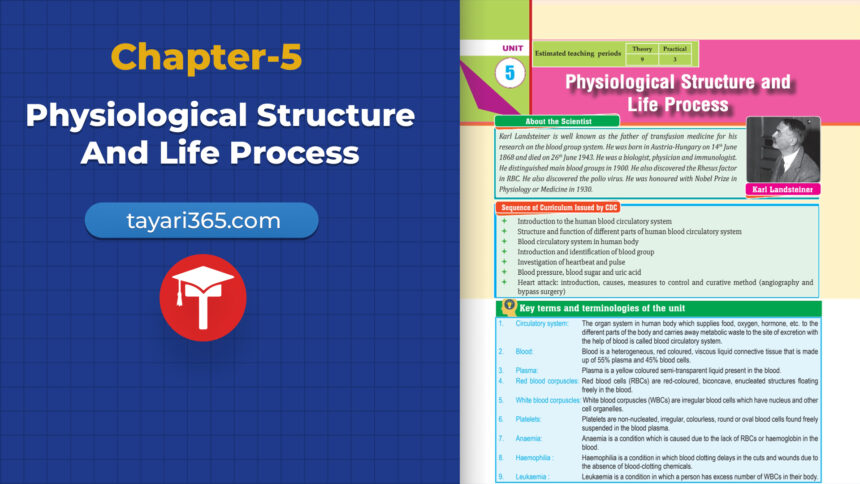
Class 10 Science Chapter 5 Physiological Structure and Life Process is one of the most important and practical chapters in your science syllabus. In this chapter, you will explore the human blood circulatory system, the structure and function of the heart, blood groups, blood pressure, pulse rate, and lifestyle diseases like diabetes, hypertension, and high uric acid. From understanding how blood circulates through the body to learning how to prevent heart attacks, this complete guide to Class 10 Science Chapter 5 Physiological Structure and Life Process will help you master every concept with clarity and confidence.
1. Introduction to Physiological Structures and Life Processes
Life processes are essential functions that maintain living organisms, including nutrition, respiration, circulation, excretion, and regulation. This chapter focuses on blood circulation, heart function, and common health conditions like diabetes and hypertension.
2. Blood Circulatory System in Humans
2.1 Blood
A fluid tissue composed of plasma, RBCs, WBCs, and platelets, circulating nutrients, gases, wastes, and immune cells.
Structure of Blood
- Plasma: Liquid (55%)
- Erythrocytes (RBCs): ~45%
- Leucocytes (WBCs) + Thrombocytes (Platelets): <1%
2.2 Plasma
Functions:
- Transports nutrients, hormones, waste products
- Maintains blood volume & pH
- Transports antibodies and clotting factors
2.3 Erythrocytes (Red Blood Cells)
- Biconcave, no nucleus, contain hemoglobin
- Lifespan ~120 days
Major Functions:
- Transport oxygen from lungs to tissues
- Carry CO₂ back to lungs
2.4 Leucocytes (White Blood Cells)
Types:
- Granulocytes: Neutrophils, Eosinophils, Basophils
- Agranulocytes: Lymphocytes, Monocytes
Major Functions:
- Fight infections by phagocytosis
- Produce antibodies
- Inflammation and allergy responses
2.5 Thrombocytes (Platelets)
Cell fragments that aid in blood clotting and repair of damaged vessels.
2.6 Major Functions of Blood
- Transport – Nutrients, gases, hormones, waste
- Regulation – Temperature, pH, water content
- Protection – Immune defense, clotting
3. Blood Groups in Humans
3.1 ABO Blood Group System
- Types: A, B, AB, O
- Based on presence/absence of antigens (A/B) and antibodies (anti-A, anti-B)
3.2 Rh Blood Group
- Based on presence (+) or absence (–) of Rh antigen (D)
3.3 Methods to Test Blood Groups
- Forward typing: Add known antibodies to blood sample → observe clumping
- Reverse typing: Add known RBCs to the patient’s serum
4. Human Heart
4.1 Structure of Human Heart
- Four chambers: 2 atria, 2 ventricles
- Valves ensure unidirectional blood flow
- Encased by pericardium, wall contains myocardium
4.2 Heart Attack (Myocardial Infarction)
- Occurs when a part of the heart muscle is blocked from blood flow
Risk Factors
- High blood pressure, smoking, high cholesterol, obesity, stress
Major Symptoms
- Chest pain, shortness of breath, sweating, nausea
Preventive Measures
- Healthy diet, exercise, no smoking, manage stress and BP
Tests
- ECG, blood enzyme (e.g., troponin), angiography
Treatments
- Medications (aspirin, thrombolytics), stents, bypass surgery
4.3 Heartbeat and Pulse Rate
- Heartbeat: Rhythmic contraction/relaxation
- Pulse rate: Felt where arteries close to skin
- Bradycardia: <60 bpm
- Tachycardia: >100 bpm
4.4 Blood Vessels
- Arteries: Carry oxygen-rich blood away from heart (thick walls)
- Veins: Carry blood to the heart; have valves
- Capillaries: Microscopic vessels; allow exchange of materials between blood & tissues
5. Blood Circulation Process
Systemic Circulation
- Left ventricle → aorta → body tissues → vena cava → right atrium
- Function: Deliver oxygen and nutrients; collect CO₂ & waste
Pulmonary Circulation
- Right ventricle → pulmonary artery → lungs → pulmonary vein → left atrium
- Function: Oxygenate blood; remove CO₂
6. Blood Pressure (BP) – Class 10 Science Chapter 5 Physiological Structure and Life Process
- Systolic: Pressure during heart contraction
- Diastolic: Pressure during heart relaxation
| Category | Systolic (mmHg) | Diastolic (mmHg) |
| Normal | <120 | <80 |
| Prehypertension | 120–139 | 80–89 |
| Stage 1 Hypertension | 140–159 | 90–99 |
| Stage 2 Hypertension | ≥160 | ≥100 |
| Hypotension | <90 | <60 |
Preventive Measures for Hypertension
- Low salt intake, exercise, proper sleep, limit alcohol, stress management
7. Diabetes
Major Symptoms
- Frequent urination, excessive thirst, fatigue, blurred vision
Major Causes
- Type I (genetic, insulin deficiency),
- Type II (lifestyle, insulin resistance)
Prevention & Control
- Balanced diet, exercise, weight management, monitor blood glucose
8. Uric Acid
Major Causes of High Uric Acid Levels
- High-purine foods, obesity, kidney issues, certain medications
Major Symptoms
- Joint pain (especially in big toe), swelling, redness
Preventive Measures
- Hydration, low-purine diet, weight control, avoid alcohol
Interesting Facts
- One drop of blood contains about 5 million RBCs, 7,000 WBCs, and 250,000 platelets
- Normal blood pressure ensures healthy kidney and brain function
- Early detection and lifestyle changes can reverse hypertension
Quick Revision Summary
- Blood: plasma + RBC + WBC + platelets
- Blood circulation: systemic and pulmonary loops
- Vitals: pulse, BP, and their categories
- Lifestyle diseases: diabetes, hypertension, gout
- Preventive steps: diet, exercise, stress control
Common Mistakes Students Make
- Swapping systolic and diastolic meanings
- Thinking veins always carry deoxygenated blood (pulmonary exception)
- Confusing bradycardia with tachycardia
- Missing the full stages of pulmonary/systemic routes
- Overlooking asymptomatic and preventive aspects of lifestyle diseases
This completes the full revision of Class 10 Science Chapter 5 Physiological Structure and Life Process.